Professional Tree Services: Boost Your Landscape's Well-being and Appearance
Professional tree services are important for maintaining the health and beauty of exterior areas. These professionals offer a variety of services, from cutting to disease diagnosis. Their work not only enhances the aesthetic appeal of landscapes but also guarantees the safety of the environment. However, many homeowners fail to recognize the significance of regular tree maintenance. Comprehending its impact can lead to a more vibrant and sustainable landscape, encouraging further exploration of the topic.
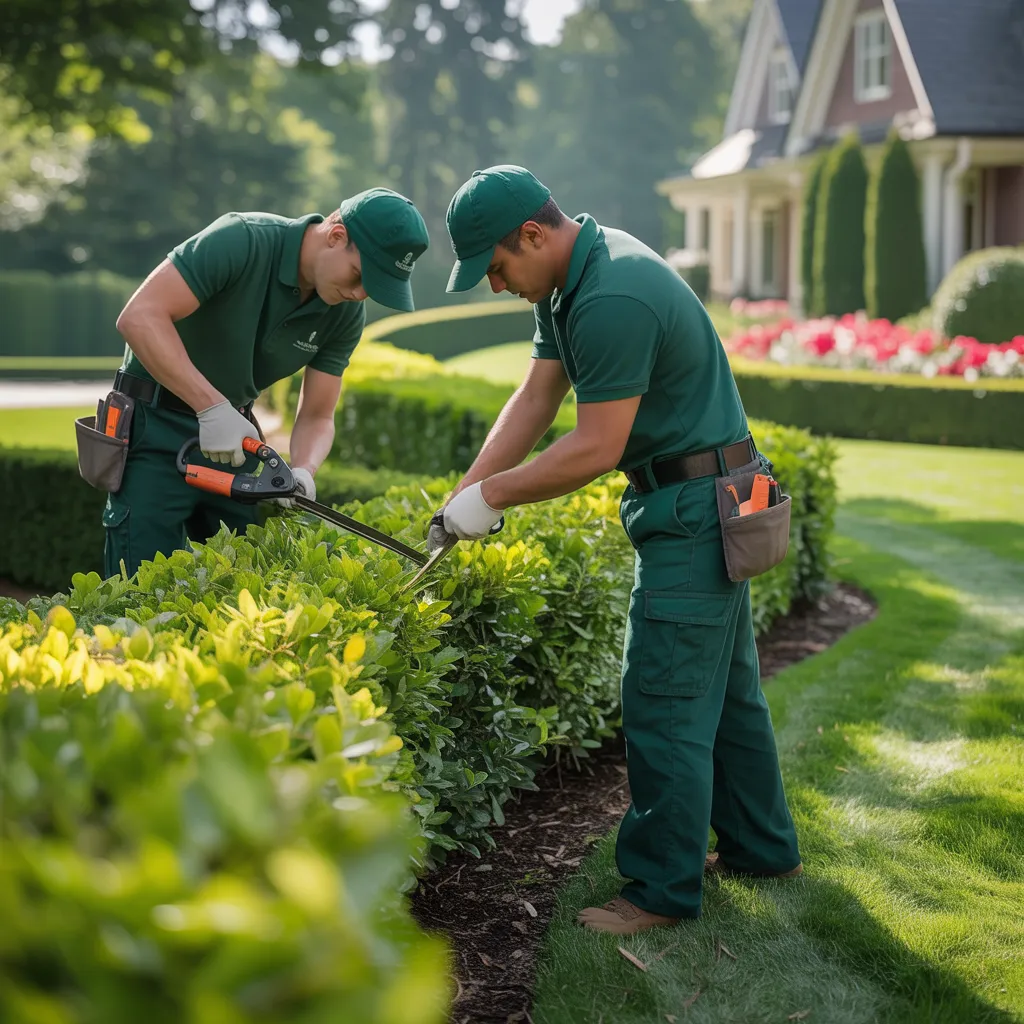
Understanding the Importance of Professional Tree Care
Expert arborist services is essential for maintaining the condition of both residential and commercial landscapes. Trees offer significant benefits to the environment by improving air quality, offering shade, and enhancing aesthetic appeal. Regular upkeep ensures that trees remain strong and resilient against pests, diseases, and harsh weather. Ignoring tree care can result in dangerous situations, such as falling limbs or uprooted trees, posing threats to people and property. Moreover, properly maintained trees can raise property value and curb consult now appeal, making professional tree care a smart investment for homeowners and businesses. Skilled arborists have the knowledge to evaluate tree health, suggest proper care practices, and carry them out safely. By prioritizing professional tree care, property owners can cultivate a healthier landscape, encourage biodiversity, and create a more pleasant outdoor environment for all. Thus, investing in these services is both wise and critical for the long-term vitality of landscapes.
Routine Tree Care Services Offered
Tree services include a range of essential tasks that support tree health and safety. Among these, tree pruning techniques are important for preserving structure and encouraging growth, while stump removal solutions tackle the remnants of felled trees. Comprehending these services helps homeowners take educated decisions about their landscape management.
Tree Pruning Methods
Pruning enhances the health and appearance of trees, making it an vital offering for sustaining their vigor. Various techniques are employed by tree service professionals to achieve desired results. Thinning entails selectively removing branches to boost light penetration and air circulation, which lowers the risk of disease. Crown reduction is another technique that lowers the height of a tree while maintaining its natural shape, preventing potential hazards. Deadwooding targets the taking out of dead or dying branches, promoting overall tree health. Additionally, formative pruning molds young trees to assure strong structure and growth. Each approach is tailored to the specific species and condition of the tree, guaranteeing a balanced approach to landscape enhancement and longevity.
Stump Disposal Strategies
After pruning, the subsequent step in maintaining a thriving landscape typically requires addressing tree stumps remaining. Stump removal is an essential offering provided by tree care experts, as leftover stumps can hinder growth, draw in pests, and pose safety hazards. Various methods are utilized for stump removal, including grinding, which transforms the stump to wood chips, and complete extraction, which eliminates the stump and roots entirely. Each method has its benefits, depending on the size of the stump and the surrounding landscape. Additionally, experts often offer replanting solutions to fill the void created by the stump, improving the aesthetic appeal of the area. Overall, stump removal is a vital aspect of landscape management that fosters a improved environment.
Positive Outcomes of Consistent Tree Care
Routine arboricultural upkeep delivers considerable advantages, including improved tree health and increased visual attractiveness. By tackling concerns such as pruning and disease management, trees can flourish and resist environmental stressors. Furthermore, properly cared-for trees add value to the general aesthetics of landscapes, increasing property value and community satisfaction.
Superior Tree Well-being
Routine maintenance plays an important role in boosting tree vitality and importance. Regular pruning removes dead or compromised branches, which can prevent the spread of infections and pests. This action encourages healthy growth by letting sunlight and air penetrate the canopy, enhancing photosynthesis. Also, routine inspections can spot early signals of disease or stress, enabling timely measures that can save a tree's life. Fertilization and proper watering, fundamental elements of maintenance, ensure trees get essential nutrients and hydration, supporting their overall vitality. Additionally, mulching aids in retaining soil moisture and managing temperature, creating a optimal environment for root development. Altogether, these practices significantly contribute to the longevity and strength of trees, promoting a healthier landscape.
Enhanced Visual Charm
A well-maintained tree can significantly enhance the aesthetic appeal of any landscape. Routine tree maintenance, such as pruning, trimming, and managing diseases, guarantees trees stay healthy and attractive. Pruning helps in forming the tree, promoting a balanced and attractive silhouette while removing dead or unsightly branches. Additionally, healthy trees contribute colorful foliage and seasonal colors, enriching the overall appearance. Well-maintained trees act as focal points that add style and structure to gardens and yards. Furthermore, the planned placement of trees can create pleasant pathways and shaded areas, enhancing outdoor usability. Therefore, investing in regular tree care not only keeps trees healthy but also significantly raises the beauty and charm of a landscape, making it more attractive to residents and visitors alike.
Figuring Out the Right Time to Get in Touch with a Expert
specialist involvement is frequently required to determine the best course of action
The Technique for Tree Removal and Replacement
Homeowners may sometimes needing to remove a tree for different causes, including hazard prevention and landscape redesign. The process of tree removal usually commences with a thorough assessment by qualified personnel, who examine the tree's vitality, location, and immediate surroundings. If removal is judged needed, the team will organize by barricading the zone, ensuring safety measures are in place to protect both people and property.
Once preparations are complete, the removal process includes cutting the tree down in a systematic way, taking into account factors such as wind direction and surrounding structures. After the tree is felled, the stump is often ground down or completely extracted to allow for new landscaping.
After the elimination, homeowners can elect to swap the tree with a more suitable species. This replacement procedure involves picking a healthy tree that fits with the landscape's design and ecological needs, boosting both aesthetic appeal and environmental health.
Finding the Top Tree Service Contractor
What approach can one take to find a dependable tree service provider given numerous options? The first action is to ask for suggestions from family and friends, as direct experiences often offer credible information. Following that, people should validate qualifications, ensuring that the provider is appropriately licensed and insured; this shields both the homeowner and the service team from conceivable risks.
Moreover, analyzing online reviews can disclose the provider's reputation within the community. A reputable tree service will typically furnish free estimates and detailed consultations, allowing clients to recognize the scope of work.
It is also important to inquire about the company's capabilities and certifications, particularly in handling unique tree care needs. To summarize, transparent fees and detailed written agreements can additionally showcase credibility and dependability. By sticking to these principles, individuals can exercise sound judgment, contributing to more verdant properties and superior landscape quality.
Popular Questions Asked
How Much Will Qualified Tree Services Typically Expense You?
Standard tree services cost between $200 to $2,000, determined by elements including tree size, type of service, and location. Homeowners should solicit multiple quotes to ensure competitive pricing and quality service.
Is Tree Service Provider Protection and Certification Required?
Most reputable arborist companies are obligated to be insured and licensed to operate in compliance with law. This guarantees safeguarding for both clients and workers, reducing liability and ensuring compliance to safety and industry standards during work completed.
What Is the Best Season of Year for Tree Pruning?
The ideal season for tree trimming takes shape during late winter or early spring, prior to new growth starts. This schedule encourages healthy growth, minimizes stress on the tree, and provides ideal sight of the tree's form.
Do Tree Services Assist With Bug Control?
Yes, tree services can help with managing pests by spotting infestations, proposing treatment options, and caring for tree health. Their skill guarantees effective pest management, which protects both trees and the surrounding landscape from likely damage.
What Can I Do to Prepare My Property before Tree Treatment?
To get ready for a property for tree services, one should clear the area of debris, ensure easy access for machinery, notify neighbors, and secure pets indoors. Adequate planning enhances safety and efficiency during the tree maintenance procedure.